

Note : This is part 1 of my series on Transforming Dotnet to AI
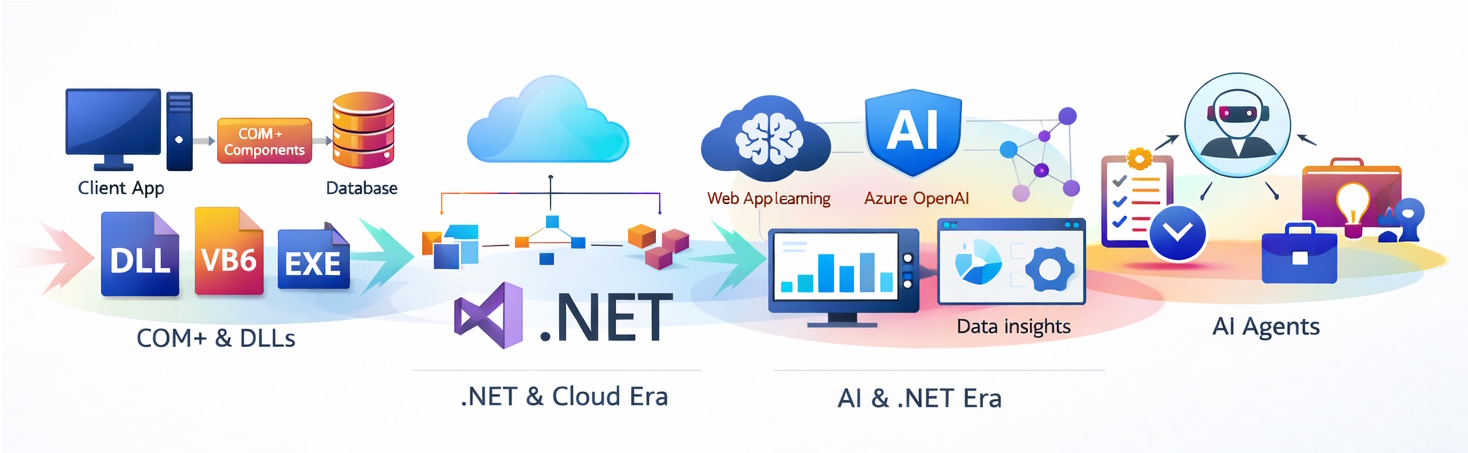
The evolution of .NET reflects a broader transformation in enterprise computing, closely mirroring the rise of Artificial Intelligence (AI) as a core capability. For seasoned developers, this journey began in the era of COM+ and Visual Basic, where applications were built as tightly coupled DLLs and executables. While effective at the time, these architectures introduced challenges in scalability, versioning, and interoperability across enterprise systems.
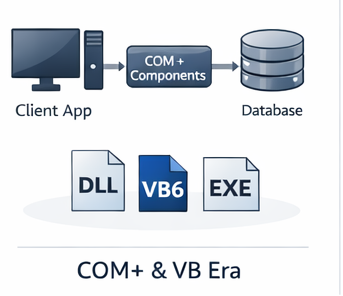
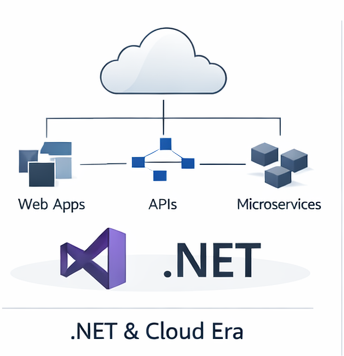
The introduction of .NET marked a turning point—bringing managed code, a unified runtime, and improved developer productivity. Over time, it evolved into a cloud-native, cross-platform ecosystem capable of supporting modern architectures such as microservices and APIs. This progression aligns with AI’s own evolution—from experimental models to enterprise-grade solutions embedded within business workflows.
Today, with services like Azure OpenAI Service, frameworks such as ML.NET, and emerging capabilities like Microsoft Agent Framework 1.0, .NET is positioned as a powerful platform for building intelligent, autonomous systems. These technologies enable organizations to move beyond static applications toward AI-driven systems that can reason, recommend, and act.
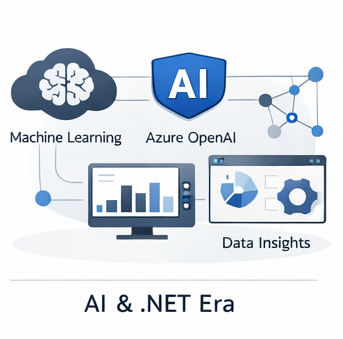
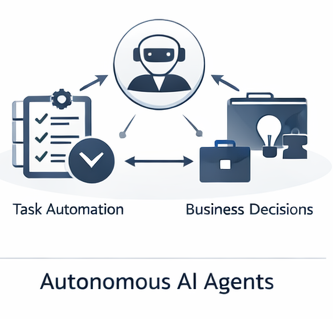
From a transformation perspective, this convergence represents a shift from systems of record to systems of intelligence and action. Applications are now expected to deliver real-time insights and adaptive decision-making. The structured and secure nature of the .NET ecosystem ensures that AI adoption remains scalable, governed, and aligned with enterprise objectives, supporting sustained competitive advantage (Microsoft, 2024; Gartner, 2023; IBM, 2023).
For modern technology leaders, the journey from COM+ and VB-based components to AI-powered, agent-driven platforms is not just technical—it is strategic. .NET now serves as a bridge between legacy systems and future-ready innovation, enabling organizations to operationalize AI at scale while maintaining control, resilience, and business value.
References :
Microsoft. (2024). Accelerating .NET applications with AI.
Gartner. (2023). Top strategic technology trends: Applied AI.
IBM. (2023). Global AI adoption index report.